- The FDA issued 30 warning letters on March 3 to telehealth companies for making false or misleading marketing claims about compounded GLP-1 drugs, including semaglutide and tirzepatide products.
- The volume of FDA warning letters sent in the past six months alone exceeds the total sent over the entire preceding decade, according to the agency’s own statements.
FDA sends 30 warning letters to telehealth firms for misleading compounded GLP-1 claims — the second major enforcement wave in six months
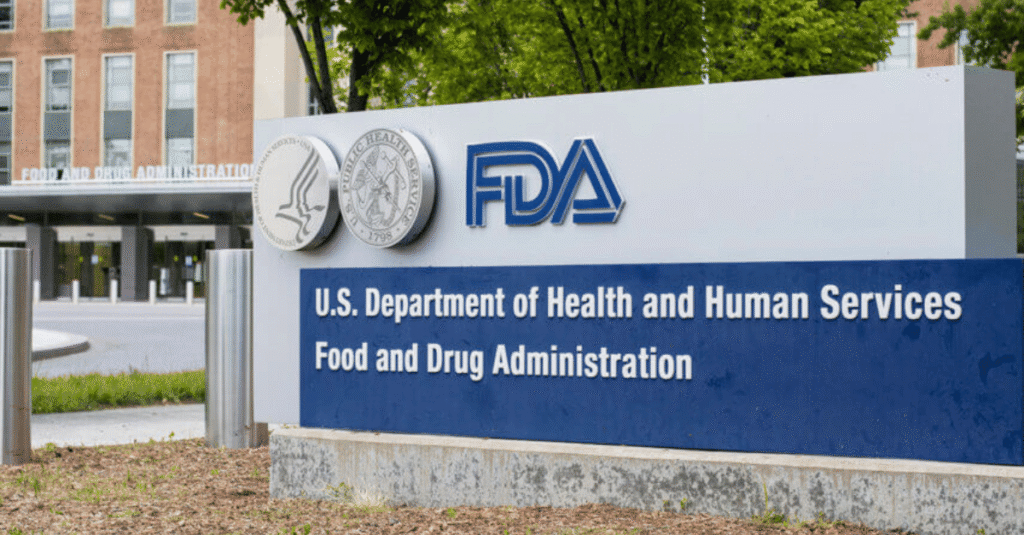
On March 3, the FDA issued warning letters to 30 telehealth companies for making false or misleading promotional claims about compounded versions of GLP-1 drugs, including semaglutide- and tirzepatide-based products, as part of an accelerating crackdown on direct-to-consumer marketing of unapproved compounded therapies.
The FDA’s primary complaint, per the agency’s press release, is that telehealth firms implied their compounded products were equivalent to FDA-approved branded drugs — or obscured the sourcing of those products by branding them under their own trademarks without disclosing they were not the actual manufacturer. Some companies reportedly advertised their products as “generic Zepbound” or “generic Mounjaro,” according to Investing.com‘s reporting on the action. The agency reiterated that compounded drugs are not FDA-approved and are not the same as generic drugs — no FDA-approved review of their safety, efficacy, or quality occurs prior to marketing.
“We are paying close attention to misleading claims being made by telehealth and pharma companies across all media platforms — and taking swift action.”
FDA Commissioner, Marty Makary
This is the second wave of such letters since September 2025, when the FDA sent warning letters to 58 compounding pharmacies for similar “sameness” claims, as reported by FirstWord Pharma. The agency says it has now sent thousands of letters to pharmaceutical and telehealth firms over the past six months — more than the cumulative total from the prior decade. Companies that received the March 3 letters have 15 business days to respond in writing. Failure to do so could bring “legal action without further notice, including seizure and injunction,” per Fierce Pharma‘s reporting on the agency’s letters.
Commissioner Marty Makary framed the enforcement posture in a statement accompanying the action: “We are paying close attention to misleading claims being made by telehealth and pharma companies across all media platforms — and taking swift action. Compounded drugs can be important for overcoming shortages or meeting unique patient needs — but compounders should not try to compound drugs in a way that circumvents FDA’s approval process.”
The broader enforcement environment reflects a pattern beyond just marketing violations. A 2026 industry analysis on contract manufacturing oversight by IntuitionLabs reports that FDA warning letters to drug manufacturers surged approximately 50% in FY2025, with a substantial share targeting GMP violations and data integrity failures at contract manufacturing sites. Early indicators from Q1 2026 suggest that pace has continued, with weekly warning letter volumes running roughly double the prior year’s level, per that same analysis.
What This Could Mean for External Manufacturing and Quality Teams
For procurement heads and quality directors sourcing from CDMOs or contract testing labs, the enforcement climate extends beyond the telehealth sector. According to Intuition Labs’ 2026 analysis of contract manufacturing oversight, an FDA warning letter to ABR Pharma illustrates how the agency views contract facilities as “extensions of the manufacturer’s own facility.” As a result, quality failures at a CDMO or third-party lab are treated as the sponsor’s responsibility as well as the contractor’s.
The GLP-1 compounding crackdown is a distinct regulatory category from CDMO GMP enforcement, but the direction of travel is the same. Citi Research, as reported by Investing.com, noted that the current letters carry more weight than usual given the escalating regulatory environment — pointing specifically to the FDA’s referral of Hims & Hers to the Department of Justice in February as a signal that heavier consequences may follow for non-responsive firms.
It’s worth watching whether the FDA’s stated intent to restrict GLP-1 APIs used in compounded products, a move Commissioner Makary separately signaled, tightens manufacturing supply for legitimate CDMO customers working in that therapeutic area. That remains unclear from current sources. What the data does show is that FDA enforcement intensity is running well above historical norms across multiple fronts, and quality directors managing external networks have a narrower margin for undocumented deviations, unresolved OOS investigations, or gaps in quality agreements than they did even 12 months ago.