
- Evinova and Merck KGaA, Darmstadt, Germany have entered a multi-year strategic collaboration to deploy Evinova’s AI-native clinical development platform across study design, document authoring, and downstream automation.
- The agreement gives Merck KGaA priority access to Evinova’s AI capabilities and includes participation in Evinova’s cross-industry operational data consortium.
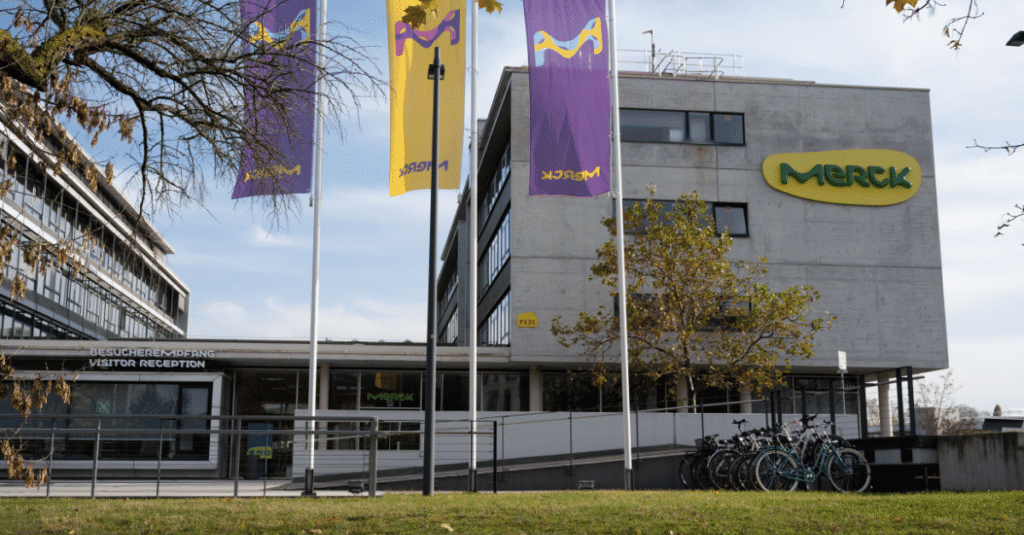
Evinova has entered into a multi-year strategic collaboration with Merck KGaA, Darmstadt, Germany to support AI-driven clinical development. Under the agreement, Merck KGaA will implement Evinova’s AI-native platform across study design, document authoring, and downstream automation with the aim of reducing development timelines, costs, and operational bottlenecks.
The collaboration provides Merck KGaA with priority access to Evinova’s end-to-end AI-native platform, including tools for study design, endpoint and benchmark planning, schedule of assessments, timeline feasibility, costing models, document authoring, and automation. The platform also includes AI-powered conversion of study designs and documents into USDM 4.0 and an intelligence layer that integrates operational benchmarks through an opt-in data model.
“Merck KGaA, Darmstadt, Germany’s forward thinking and bold approach to transforming clinical development end-to-end raises the bar for the industry, making them an exceptional partner for Evinova’s efforts.”
Cristina Duran, President of Evinova
As part of the agreement, Merck KGaA will join Evinova’s Strategic Roadmap Steering Committee and participate in the company’s cross-industry operational data consortium. According to Evinova, the collaboration is intended to support the continued development of AI-enabled clinical research capabilities while informing future platform enhancements.
Evinova said its AI-native clinical development platform is designed to support study planning, documentation, operational workflows, and data quality across clinical development. The company stated that its technology is intended to accelerate development timelines, reduce costs, improve patient experiences, and support better clinical outcomes.