


- I Peace, Inc. has generated human induced pluripotent stem cells from NKT cells and begun offering them for research use.
- The company can also generate and supply these NKT cell–derived iPS cells under GMP conditions through its contract manufacturing services.
I Peace, Inc. has announced the successful generation of human induced pluripotent stem (iPS) cells derived from NKT cells and has started offering them for research use. NKT cells are immune cells that exhibit characteristics of both innate and adaptive immunity and are involved in cancer, infectious diseases, and autoimmune disorders.
The company developed proprietary technology that enables the selective and efficient expansion of NKT cells. Using this approach, I Peace established iPS cells and generated clonal lines, resulting in uniform and reproducible NKT cell–derived human iPSCs. Genomic PCR analysis confirmed that the iPS cells originated from NKT cells.
According to the company, the technology enables research that leverages the immunological background of NKT cells. Potential applications include cancer immunotherapy research, infectious disease studies, analysis of immunosenescence, and drug discovery screening.
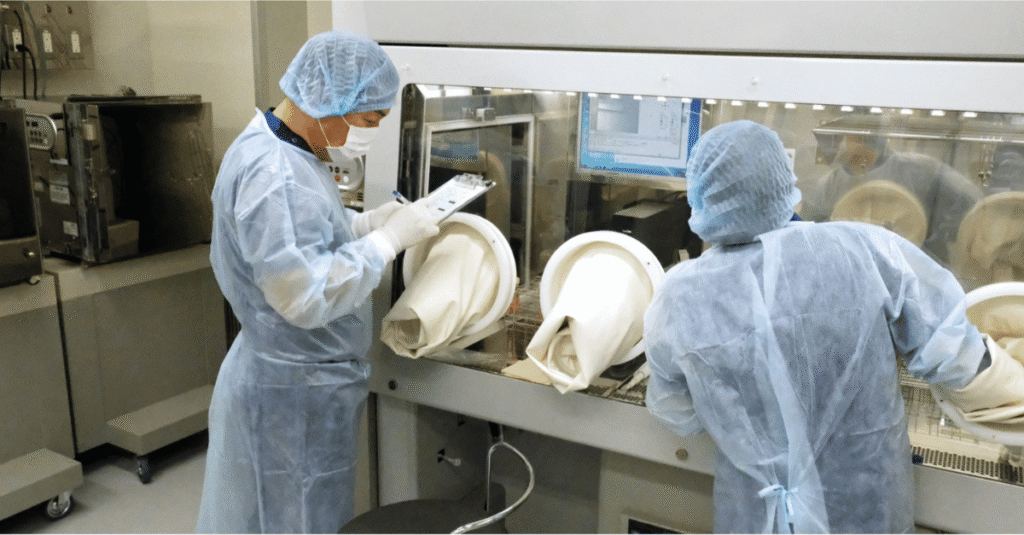
I Peace also provides contract manufacturing services as a GMP cell therapy CDMO. The NKT cell–derived human iPS cells can be generated and supplied under GMP conditions in line with global regulatory requirements, supporting both research and development programs.
Looking ahead, the company plans to expand its portfolio of immune cell–derived iPS cells. It aims to supply these products to research institutions and companies in Japan and overseas, supporting the development of immune cell and regenerative medicine platforms.