


- Pluri Inc. has received a patent grant from the China National Intellectual Property Administration (CNIPA) covering its proprietary 3D immune cell expansion and activation technology.
- The patent supports large-scale production of diverse immune cell types and strengthens the company’s global intellectual property portfolio across key markets.
Pluri Inc. has received a patent grant from the China National Intellectual Property Administration (CNIPA) for its proprietary 3D immune cell expansion and activation technology. The patent, titled “System and Methods for Immune Cells Expansion and Activation in Large Scale” (Patent No. CN 119301238 B), was granted to Pluri Biotech Ltd., a wholly owned subsidiary of the company.
The newly granted patent expands Pluri’s global intellectual property portfolio, which already includes granted patents in the United States, Japan, Korea, Australia, and Israel. The company stated that the expanded portfolio supports its strategy to pursue global collaboration and licensing agreements for immune cell therapy products built on its automated, large-scale manufacturing platform.
The patent family covers large-scale production of both unmodified and genetically modified immune cell types across multiple therapeutic areas. According to the company, the platform enables expansion of lymphoid and myeloid lineage cells, including conventional and unconventional T cells such as MAIT cells, Natural Killer (NK) cells, Tumor Infiltrating Lymphocytes (TIL), and engineered Chimeric Antigen Receptor (CAR) and T Cell Receptor (TCR) variants.
Pluri stated that securing patent protection in China aligns with the country’s expanding cell therapy market, particularly in CAR-T and advanced cell therapies. The company said that protecting its intellectual property in China strengthens its global position and supports participation in the country’s growing ecosystem for advanced therapies.
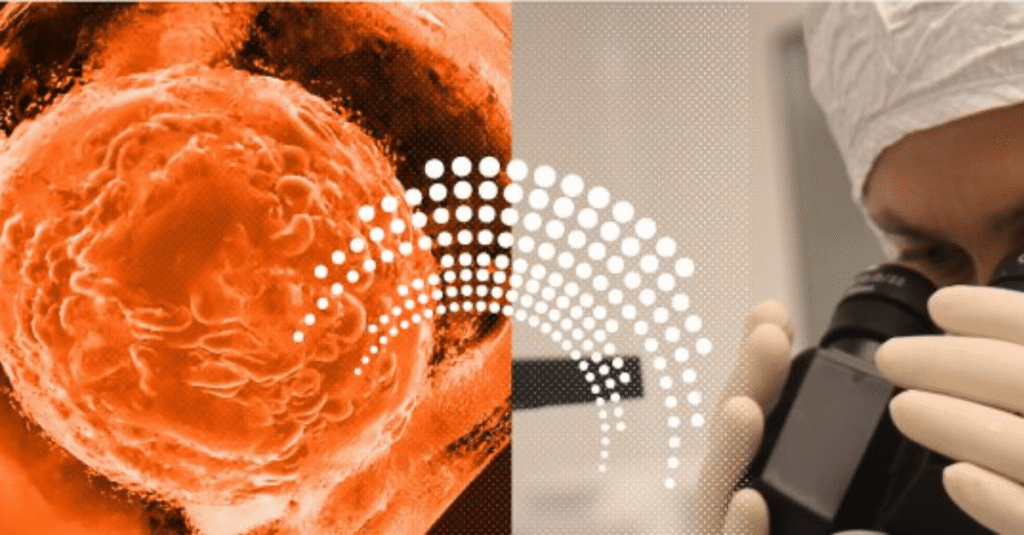
The company’s patented 3D platform uses a bioreactor system designed to mimic the human lymph node environment to expand billions of immune cells. Pluri stated that the system is intended to enhance cost-efficiency by reducing expenses associated with traditional cell therapy production and to ensure quality control through a fully automated, closed-loop process that maintains batch consistency and cell integrity at industrial scale.