
Ora Clinical Launches Clinical Intelligence Committee to Bring 14 Global Ophthalmology KOLs Into Real-Time CRO Development Decisions

- Ora Clinical, the leading ophthalmology-only CRO with over 50 years of experience and 3,000+ completed projects, has launched the Clinical Intelligence Committee — a curated panel of 14 internationally recognized ophthalmology KOLs from across retina, glaucoma, cornea, ocular surface, biostatistics, inherited retinal disease, and ocular imaging disciplines — designed as a modern, real-time evolution of the traditional Scientific Advisory Board model.
- The Committee is positioned as a strategic extension of Ora’s existing therapeutic depth, giving sponsors access to global KOL perspective across clinical development strategy, protocol and study design, endpoint and assessment considerations, operational feasibility, data interpretation, regulatory readiness, and indication-specific development challenges throughout the development lifecycle.
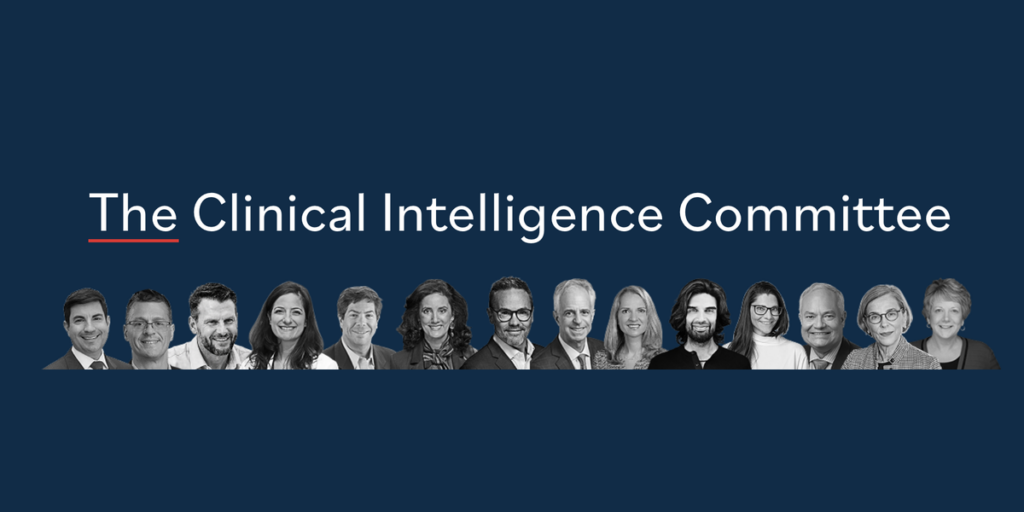
Ora Clinical, the leading ophthalmology-only CRO, has announced the launch of its Clinical Intelligence Committee — a curated panel of 14 internationally recognized leaders from across the global ophthalmology research community, brought into Ora’s development programs to add KOL perspective to the clinical, scientific, and strategic decisions that shape ophthalmic product development. The Committee was introduced in September 2026 from Andover, Massachusetts, and is positioned as a modern evolution of the traditional Scientific Advisory Board model — designed to make external expert input more impactful and more integrated into sponsor decision-making in real time, rather than episodic or ceremonial.
The 14 founding Committee members represent a deliberately diverse cross-section of ophthalmic therapeutic areas, geographies, clinical specialties, and practice settings. Retina and macular disease expertise is anchored by internationally recognized specialists including Prof. Anat Loewenstein — former EURETINA President, Tel Aviv University Chair in Ophthalmology, and author of more than 500 scientific publications — alongside Carl D. Regillo, former Director of Retina Services at Wills Eye Hospital, and Eleonora Lad, Vice-Chair for Ophthalmology Clinical Research at Duke University Medical Center. Glaucoma and anterior segment coverage is provided by Prof. Iqbal Ike K. Ahmed, Presidential Endowed Chair at the University of Utah and Director of Glaucoma Innovation at the John A. Moran Eye Center. Cornea and ocular surface representation includes Mina Massaro-Giordano from Penn Medicine, Michael Goldstein from New England Eye Center at Tufts, and Victor Perez from Duke University. Inherited retinal disease and ocular imaging are covered by Mark Pennesi and Marion R. Munk, respectively, with additional representation in ophthalmic biostatistics, myopia, contact lens science, and commercial strategy across the full committee membership.
The Committee is designed to operate as a strategic extension of Ora’s core CRO capabilities rather than as a standalone advisory function. Ora’s ophthalmology-only focus — built across more than 50 years, 35+ ophthalmic indications, and 400+ close site partnerships — provides the therapeutic and operational foundation. The Clinical Intelligence Committee builds on that foundation by bringing global expert perspective into the questions sponsors actually face during development: protocol design tradeoffs, endpoint selection, feasibility assessment, regulatory readiness, and indication-specific challenges where a single disciplinary or geographic perspective is insufficient. The six stated areas of expertise and impact span clinical development strategy, operational feasibility, protocol and study design, data interpretation and regulatory readiness, endpoint and assessment considerations, and indication-specific development challenges.
The structure marks a visible repositioning of how Ora engages external scientific expertise within its CRO model. Traditional SAB structures in the CRO sector have often operated at a distance from active program decision-making — providing periodic strategic input but remaining disconnected from the day-to-day questions that shape development timelines and regulatory outcomes. By framing the Clinical Intelligence Committee as a resource available to sponsors at crucial moments across all phases and therapeutic areas, Ora is signaling that KOL engagement is integral to its development model rather than supplementary to it — a differentiation point that is particularly meaningful for ophthalmology programs where therapeutic area nuance, real-world clinical practice context, and endpoint credibility are all directly tied to development success.
“The Clinical Intelligence Committee brings together internationally recognized leaders from across the ophthalmology community to add global KOL perspective to the clinical, scientific, and strategic decisions that shape development. As a modern evolution of the traditional SAB model, the Clinical Intelligence Committee elevates the role of expert input, making it more impactful in real-time to help sponsors evaluate key decisions with confidence.”
Ora Clinical, the company stated