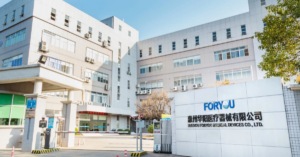
- Altruist Biologics has received trilateral regulatory approval for segmented antibody-drug conjugate (ADC) production at its Hangzhou manufacturing site following a joint inspection by three provincial regulatory bodies in China.
- The approval supports the company’s integrated CDMO capabilities for clinical and commercial ADC manufacturing, including process development, drug substance production, and aseptic fill-finish.
Altruist Biologics has announced that its application for segmented production of antibody-drug conjugates (ADCs) at its Hangzhou site has passed a comprehensive inspection by three provincial regulatory authorities in China. According to the company, this is the first case to receive trilateral approval and expands its ADC manufacturing capabilities for clinical and commercial supply.
The Hangzhou facility provides an integrated CDMO platform for ADC and AXC bioconjugation manufacturing. The site supports process development, manufacturing science and technology (MSAT), quality control, and contract manufacturing for a range of bioconjugates, including high-potency ADCs. The company said the facility is designed to support both small- and large-scale production.
“Quality is the foundation of everything we do at Altruist. Our integrated global quality system enables us to consistently deliver the highest standards of compliance, reliability, and operational excellence while supporting the evolving needs of our partners worldwide.”
Dr. Kaisong Zhou, Chairman and CEO of Altruist Biologics
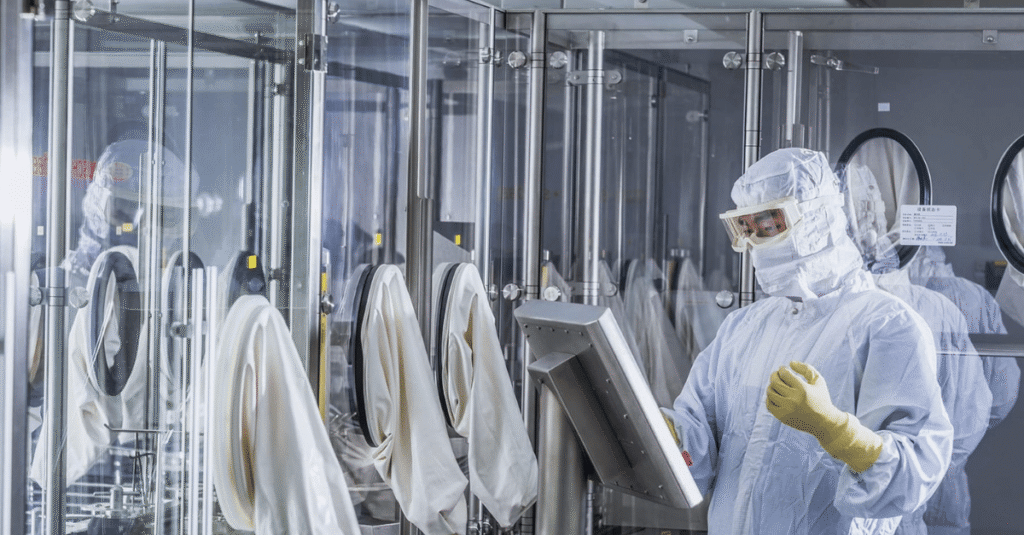
According to the company, the facility is equipped with single-use reactor systems supporting conjugation scales of up to 500 liters, with additional 1,000-liter to 5,000-liter capacity currently under construction to expand scalable ADC drug substance manufacturing. It also includes an automated isolator-based aseptic filling system with two 7.5-square-meter and three 35-square-meter lyophilizers.
The Hangzhou site is designed for handling high-potency active pharmaceutical ingredients (HPAPIs) and incorporates high-containment systems with an Occupational Exposure Limit (OEL) capability of 5 ng/m³. The company said these systems are intended to support safety, regulatory compliance, and operational control during ADC manufacturing.