
- Naobios, a CDMO, has partnered with the Tokyo Metropolitan Institute of Medical Science (TMIMS) to develop a new live-attenuated mpox vaccine.
- Process development started in 2025, with GMP batch production for phase I clinical trials scheduled for mid-2026.
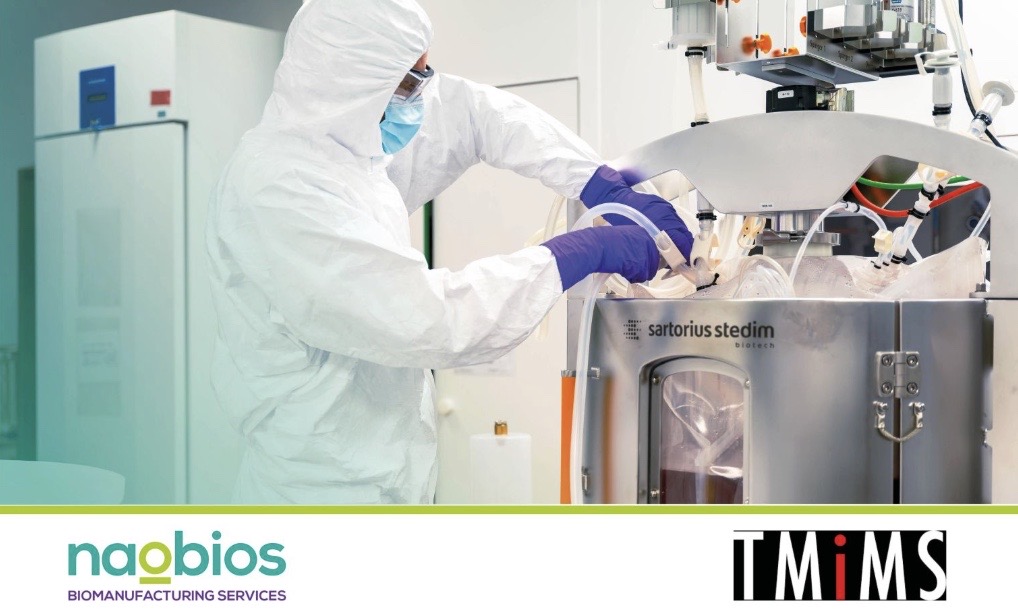
Naobios, a contract development and manufacturing organisation (CDMO), has announced a collaboration with the Tokyo Metropolitan Institute of Medical Science (TMIMS) to develop a new vaccine for mpox, also known as monkeypox. The vaccine will be based on a non-replicating highly attenuated vaccinia virus designed to offer a high level of safety by minimising the risk of pathogenic mutations.
Mpox is a viral illness primarily spread through close contact, causing fever, enlarged lymph nodes, and a painful rash, and may lead to permanent scarring. Since a global outbreak began in 2022, the virus has reached 130 countries, infecting around 130,000 people and causing over 280 deaths. Current WHO-recommended vaccines include an EU-developed Modified vaccinia virus Ankara (MVA) strain and Japan’s LC16m8 strain.
The partnership covers full process development, including upstream (USP) and downstream (DSP) development, as well as aseptic GMP production using grade A in B suites.
“Thanks to our recognised know-how and capabilities in the full development of the bioprocesses involved in the manufacture of viral-based products, paired with TMIMS expertise, we are fully equipped to bring this project forward efficiently.”
Eric Le Forestier, managing director of Naobios
Process development began in early 2025 and is expected to complete by the end of Q3. Technical batch manufacturing, mimicking GMP conditions, will continue through the rest of 2025 and into 2026. Production of the GMP batch for phase I clinical trials is planned for mid-2026, with clinical studies led by TMIMS scheduled for late 2026 and early 2027.