- SunRock Biopharma has entered a strategic collaboration with Chime Biologics, a global CDMO, to develop SRB5, a humanized anti-CCR9 monoclonal antibody for inflammatory bowel disease (IBD).
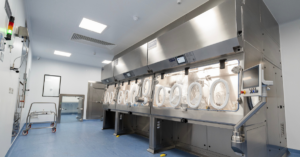
- The partnership will utilise Chime Biologics’ GMP manufacturing platform to scale production and accelerate preclinical and regulatory milestones.

SunRock Biopharma, a biotechnology company developing next-generation therapeutic antibodies, has partnered with Chime Biologics, a global contract development and manufacturing organization (CDMO), to advance SRB5, a novel anti-CCR9 monoclonal antibody targeting inflammatory bowel disease (IBD). The collaboration may expand into other immune-mediated inflammatory indications in the future.
SRB5 is a humanized monoclonal antibody designed to selectively deplete CCR9+ cells involved in chronic intestinal inflammation. It features enhanced ADCC properties and represents the latest development in SunRock’s anti-CCR9 platform. The therapy is aimed at treating Crohn’s disease, ulcerative colitis, and potentially highly aggressive CCR9-expressing tumors.
The collaboration leverages Chime Biologics’ global-standard GMP manufacturing platform to scale SRB5 production and accelerate preclinical and regulatory progress.
“We are proud to collaborate with SunRock Biopharma on this promising anti-CCR9 antibody (SRB5) for inflammatory bowel disease, a condition that significantly impacts patients worldwide.”
Dr. Jimmy Wei, President of Chime Biologics
Dr. Laureano Simón, CEO of SunRock Biopharma, noted that the partnership reinforces the company’s strategy of working with world-class partners across every development stage. He added that Chime’s technical expertise and industrial quality standards will help scale SRB5 under optimal conditions, supporting clinical validation.
This agreement represents a key step in SunRock Biopharma’s efforts to advance innovative antibody therapies. By combining SunRock’s platform with Chime Biologics’ contract manufacturing capabilities, the companies aim to accelerate SRB5’s development and potentially transform treatment options for patients with IBD.