When Lonza announced its partnership with RION in September 2025 to manufacture platelet-derived exosome therapeutics, the collaboration signaled growing CDMO investment in specialized modalities. As exosome-based therapies advance from academic research toward commercial reality, manufacturing scale-up presents distinct technical and strategic challenges.
Davide Zocco, Commercial Development Head for Exosomes and mRNA Technologies at Lonza, a global CDMO, shares insights on how his team approaches exosome manufacturing partnerships, what differentiates successful programs, and where developers should focus their efforts when preparing for CDMO engagement.
Promising EV-based Treatments
Extracellular vesicles (EVs), including exosomes, are nano-sized, cell-derived particles that carry proteins, nucleic acids, and lipids, providing a versatile and biocompatible platform across several therapeutic areas. The most advanced applications today are in tissue regeneration, where MSC and platelet-derived EVs have shown the ability to support wound healing and organ repair by delivering pro-regenerative signals and locally modulating immune responses, offering a differentiated, cell-free alternative to
cell therapies.
EVs are also being developed as delivery vehicles for nucleic acids (mRNA, siRNA, ASO), proteins, and small molecules, bringing some advantages over viral vector and LNP delivery through their low immunogenicity, native membrane composition, and efficient cellular uptake. In vaccines, EV-based platforms can deliver antigens with the potential to enhance both humoral and cellular responses while maintaining a safety profile that is competitive with existing viral and synthetic systems.
Efficacy, Safety, and Overall Value
Extracellular vesicle (EV)-based therapies show promise on a similar scale to the early days of antibody and protein therapeutics, but with a different value proposition. In tissue regeneration, MSC and platelet-derived EVs can reproduce many of the paracrine effects of cell therapy while avoiding issues linked to live-cell administration, such as engraftment risk, complex logistics, and high per-patient manufacturing costs. As off-the-shelf products, EVs have the potential to simplify supply chains compared with bespoke cell therapies.
From a delivery perspective, EVs may help address some of the limitations of viral vectors and LNPs. Preclinical and early clinical data suggest that EVs have relatively low immunogenicity, which can support repeat dosing. They can deliver a high fraction of active payload to target tissues, potentially reducing the required drug load versus other platforms. Emerging clinical experience, particularly with MSC-derived EVs, has so far shown an encouraging safety profile, with no major liver toxicity or severe inflammatory events reported in early studies, although larger trials will be needed to fully confirm this advantage. In certain cases, particularly around proprietary LNP chemistries and formulations, complex IP and licensing structures can drive high costs, whereas EV platforms may offer more flexibility.
Scale-Up Challenges
Scaling EV manufacturing to commercial volumes brings real technical challenges, but they are very similar to what earlier biologics faced as they industrialized. EVs have issues such as yield, heterogeneous particle populations, and more complex downstream purification and analytics, yet these are being addressed through engineered producer cell lines, bioreactor-based processes, advanced purification methods, and multi-parameter QC systems.
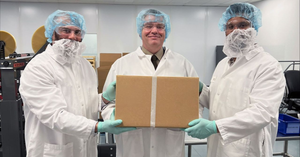
CDMOs like Lonza now apply platform processes at scale. Lonza is well-equipped to work with early-stage academic processes as they are converted to a GMP state. Additionally, recent collaboration with RION (a late-stage clinical company) to manufacture its Purified Exosome Product (PEP™) for Phase 3 and potential commercial supply at Lonza highlights Lonza’s ability to manufacture late-stage and commercial EV products.
Overall, the field appears to be following a normal maturation curve: the remaining bottlenecks around yield, purity, and standardization are being reduced year over year, and experienced partners are increasingly able to de-risk scale-up for innovators.
Remaining Regulatory Challenges
EV therapeutics face genuine regulatory hurdles, but these are part of normal biologic product development, not an exceptional barrier. The lack of a single FDA-approved EV therapeutic to date reflects the field’s relative youth (with the majority of programs entering the clinic between 2018 – 2022). Regulatory agencies have repeatedly demonstrated their capacity to adapt frameworks for novel modalities—from monoclonal antibodies to cell therapies to gene therapies—and the same adaptive process is underway for EVs.
Companies that engage early with regulators, invest in robust CMC and characterization, and design potency and immunogenicity assays with clinical relevance are well-positioned to navigate this pathway successfully. The first EV-based therapeutic approval is likely within the next 2–5 years, consistent with the maturation timeline observed for previous advanced therapy platforms.
Capabilities and Technical Competencies
Successful EV manufacturing starts with three core capability areas: robust analytics, smart process design, and solid GMP know-how. Teams will surely need strong expertise in EV characterization (particle sizing and counting, marker profiling, cargo analysis, potency assays), so they can define and control critical quality attributes from the outset. They also need upstream and downstream process development skills to move from small-scale flasks to scalable bioreactors and GMP-compatible purification, while maintaining yield and product consistency. From there, companies benefit from embedding GMP and regulatory thinking early, including raw material strategy, in-process controls, and validation planning that align with evolving global expectations for EV products.
In many cases, successful clinical and commercial manufacturing takes the form of strategic partnerships, where customers rely on Lonza to either characterize, develop, and manufacture their product, or to selectively fill gaps in their internal capabilities rather than building every function in-house. Lonza combines more than a decade of institutional hands-on EV experience with over 20 years in cell and gene therapy development and manufacturing, and uses this integrated skill set to support innovators
from early development through late-phase and commercial supply, including regulatory guidance and tech transfer into cGMP facilities.
Infrastructure and Facilities
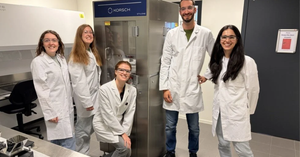
To enable large-scale EV production, Lonza has built a connected network of EV-focused analytics and GMP manufacturing sites. In Siena, Italy, Lonza’s R&D and Center of Excellence provides advanced capabilities for EV isolation, characterization, and bioprocess development, giving innovators access to state-of-the-art analytical tools and process know-how during early and mid-stage development. Such an initial data package could be leveraged for fundraising.
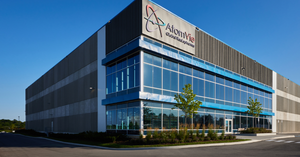
For late-phase and commercial supply, Lonza’s Houston (Texas) facility offers cGMP manufacturing for EVs within a site that already supports multiple commercial cell and gene therapy products. This is where Lonza will produce RION’s Purified Exosome Product (PEP™) for late-stage clinical trials and potential commercialization. Developers can also leverage Lonza’s New Product Introduction (NPI) system, which standardizes tech transfer and establishes cGMP-ready processes, including validation, raw material
strategy, analytical methods, and facility fit, so that EV programs can progress from IND-enabling work to commercial launch within an integrated infrastructure.