GUIDE

Excipients manufacturing: A guide for smarter pharma procurement

Excipients

An overview of the pharmaceutical Excipients market for pharmaceutical procurement teams. This guide provides you with the overall market size and trends, key drivers, opportunities and challenges, key suppliers in the category and how to improve strategic supplier partnerships. 

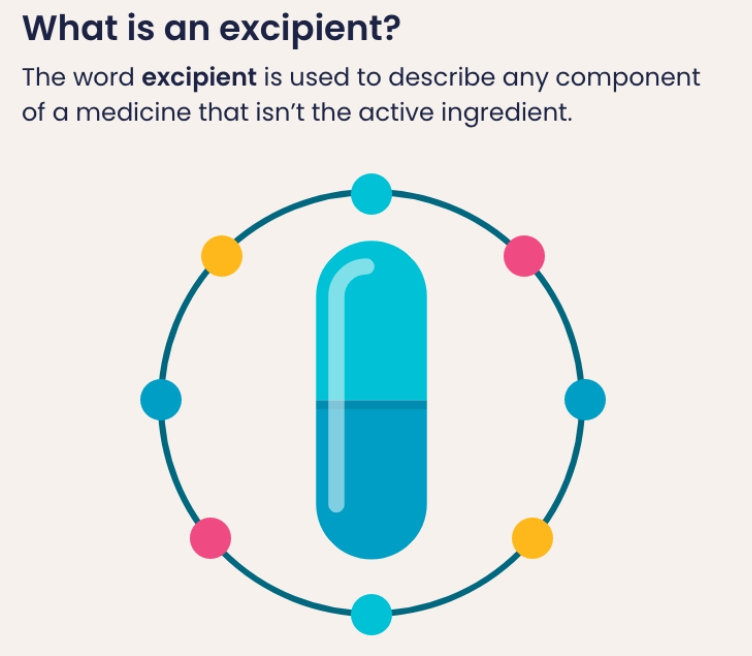
The pharmaceutical industry relies on a diverse range of components to formulate and manufacture medications. While active pharmaceutical ingredients (APIs) play a crucial role in the therapeutic effects of drugs, pharmaceutical excipients serve as inactive substances that aid in the delivery, stability, and overall performance of the medication.
Source – Pharmaceutical Press

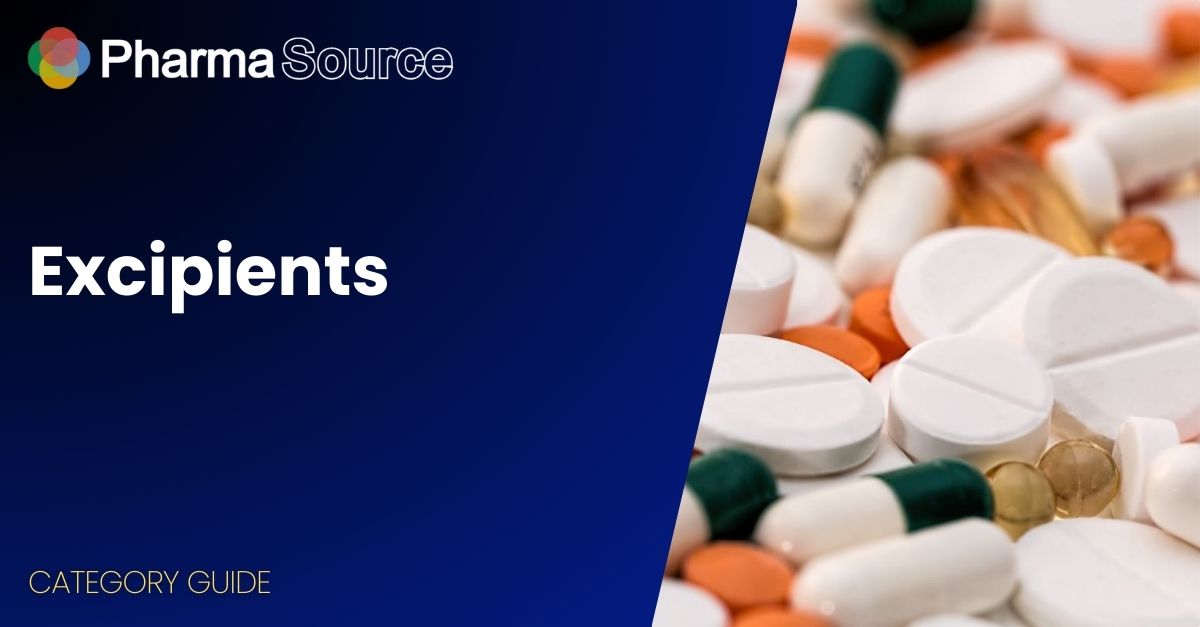
Pharmaceutical excipients encompass a wide array of substances, including binders, fillers, disintegrants, coating agents, lubricants, and glidants, among others. These excipients are carefully selected and integrated into drug formulations to enhance drug solubility, control drug release, improve patient acceptability, and ensure dosing accuracy.

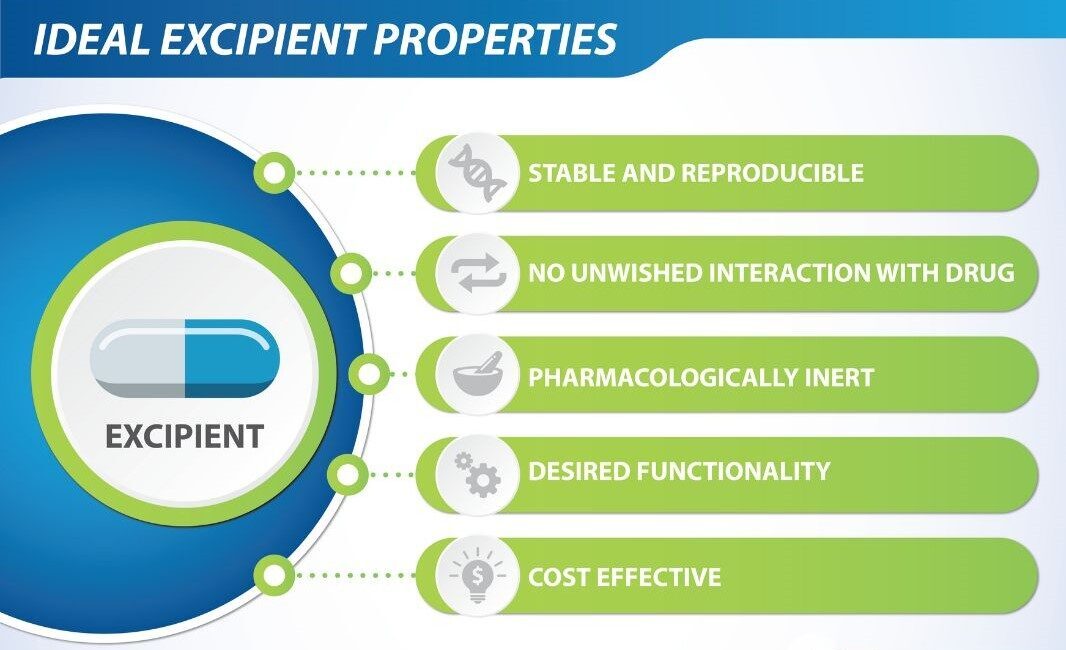
The role of excipients in the pharmaceutical industry extends beyond formulation. They also play a crucial role in ensuring the quality, safety, and effectiveness of medications. Excipients undergo rigorous testing to meet regulatory standards, ensuring they are free from impurities, compatible with APIs, and do not interfere with the therapeutic effect of the drug.
Source- Pharma Excipients


Market Size and Trends

The global pharmaceutical excipients market is valued at USD 9.31 billion in 2025 and is projected to reach approximately USD 15.43 billion by 2034, reflecting a CAGR of 5.75% over the forecast period. (Source- Precedence Research)
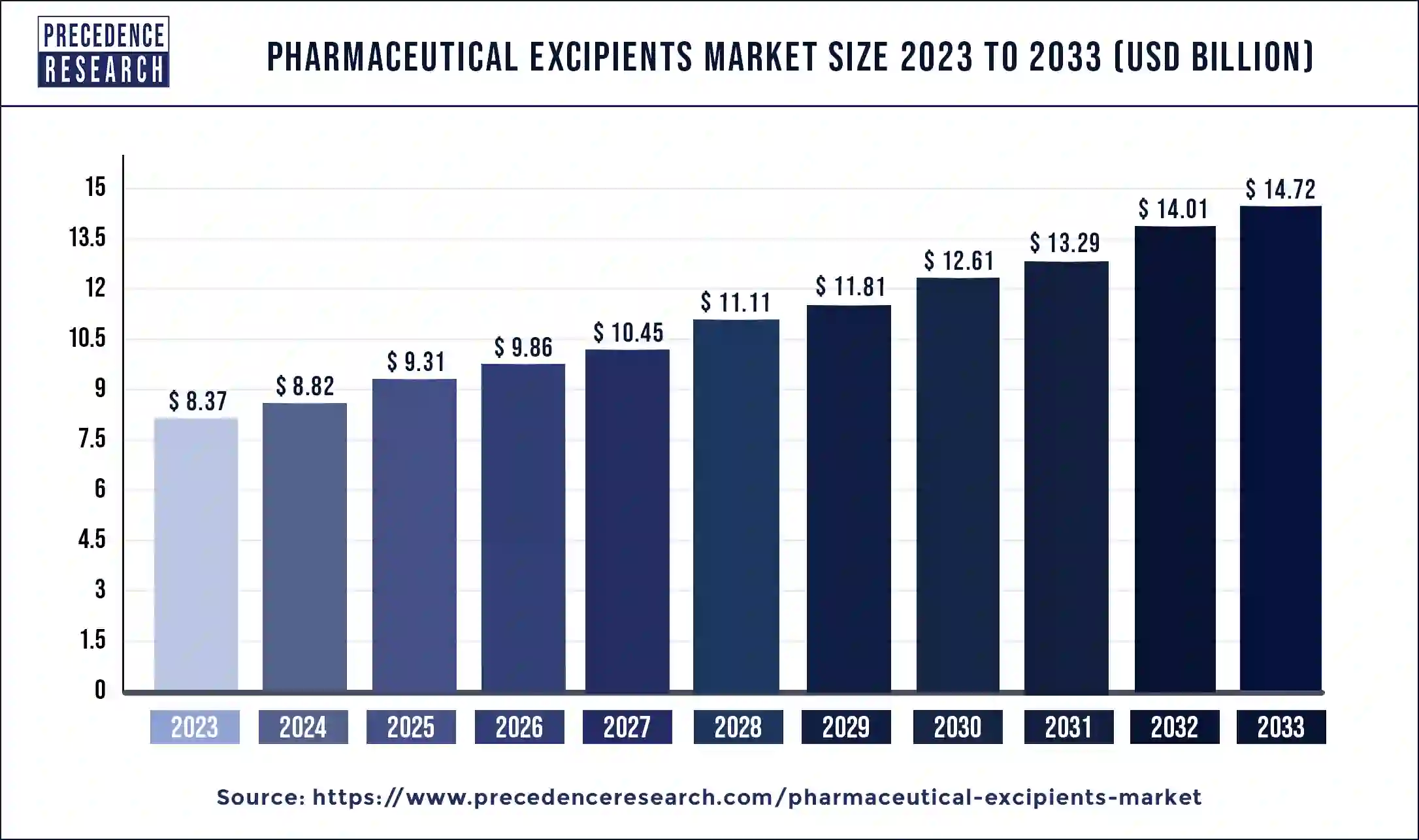
Factors driving this growth include the increasing demand for pharmaceutical products, the rising complexity of drug formulations, and the growing generic drugs market. The market size is influenced by factors such as population growth, the prevalence of chronic diseases, advancements in drug delivery technologies, and expanding healthcare infrastructure in emerging economies.

Market Segmentation by Excipient types

The pharmaceutical excipients market can be segmented based on the type of excipient used in drug formulations. The main categories include:

  • Binders are excipients that are used to hold together the active ingredients and other excipients in a cohesive solid dosage form. They provide tablet hardness, improve compressibility, and ensure uniform drug content.
  • Fillers and diluents are inert substances used to increase the bulk of a solid dosage form, ensuring the proper size and weight of tablets or capsules. They enhance tablet flowability during manufacturing and aid in the uniform distribution of the active ingredient.
  • Disintegrants are excipients that facilitate the breakup of tablets or capsules into smaller particles when exposed to water or other bodily fluids. This enables the drug to dissolve and be absorbed effectively, ensuring optimal therapeutic outcomes.
  • Coating Agents are used to provide a protective layer on tablets or capsules. They serve multiple purposes, including taste masking, improving stability, enhancing appearance, and controlling drug release.
  • Lubricants and Glidants are excipients used to prevent tablet sticking to the equipment during manufacturing and aid in tablet flow. They reduce friction between particles and enhance the efficiency of tablet compression and coating processes.

Other categories include antioxidants, preservatives, pH modifiers, solubilizers, and colouring agents, among others. These excipients are utilised for specific purposes depending on the formulation requirements.

Market trends and key drivers for Excipients

1. Growing Demand for Generic Drugs

The increasing demand for affordable healthcare solutions has fueled the growth of the generic drugs market. Generic drugs, which are cost-effective alternatives to branded medications, require a wide range of excipients for formulation.

This has resulted in a significant demand for pharmaceutical excipients as generic drug manufacturers seek high-quality and cost-efficient excipient options to maintain competitiveness in the market.

2. Increasing Complexity of Drug Formulations

Advancements in pharmaceutical research and development have led to the development of complex drug formulations. These formulations often require a precise combination of multiple excipients to achieve desired drug delivery profiles, improved bioavailability, and enhanced patient compliance.

The evolving landscape of drug formulations drives the demand for innovative excipients with specific functionalities, such as modified-release systems, nanotechnology-based formulations, and personalized medicine solutions.

3. Technological Advancements in Excipient Manufacturing

The pharmaceutical excipients industry has witnessed significant technological advancements in recent years. Manufacturers are investing in research and development to enhance the functionality, safety, and performance of excipients. This includes innovations in excipient manufacturing processes, such as spray drying, co-processing techniques, and nanotechnology applications. Technological advancements contribute to the development of excipients with improved properties, such as enhanced solubility, controlled release, and better compatibility with APIs.

4. Rising Focus on Patient Safety and Drug Delivery

Patient safety and drug delivery have become paramount concerns in the pharmaceutical industry. Excipients play a crucial role in ensuring the safety and effectiveness of medications. The industry is witnessing a shift towards excipients that have minimal side effects, improved biocompatibility, and better control over drug release. There is also a growing emphasis on excipients that facilitate targeted drug delivery, such as nanocarriers, liposomes, and microparticles, to enhance therapeutic efficacy and reduce adverse effects.

5. Stringent Regulatory Requirements

The pharmaceutical industry is subject to stringent regulatory standards and requirements to ensure product safety, efficacy, and quality. Regulatory agencies closely monitor the use of excipients, including their sourcing, manufacturing processes, and quality control measures. Compliance with regulatory guidelines, such as Good Manufacturing Practices (GMP) and International Council for Harmonisation of Technical Requirements for Pharmaceuticals for Human Use (ICH) guidelines, is essential for excipient manufacturers. Procurement teams need to work closely with contract manufacturers who adhere to these regulatory standards to ensure the integrity of the supply chain and compliance with applicable regulations.

SWOT Analysis

Overall, the pharmaceutical Excipients market presents both significant opportunities and challenges for contract manufacturers, as this SWOT analysis shows:

Strengths

Weaknesses

Strengths

  • Wide range of excipient options, providing pharmaceutical companies with flexibility in formulating drug products. This allows manufacturers to tailor their formulations to specific requirements, ensuring optimal drug performance and patient acceptability.

  • Well-established distribution networks, ensuring efficient and timely supply of excipients to pharmaceutical manufacturers. These networks facilitate smooth logistics and enable quick response to changing market demands.

Weaknesses

  • Limited innovation and differentiation among excipient products. This can make it difficult to identify excipient options that offer unique functionalities or improved performance compared to existing alternatives.
  • The prices of raw materials used in excipient manufacturing can be subject to volatility, which can impact the overall cost of excipients. Fluctuating raw material prices can pose challenges in budgeting and cost management.

Opportunities

Threats

Opportunities

  • Emerging markets present significant growth opportunities for the excipients market. The expanding population, rising healthcare expenditure, and increasing access to healthcare in these regions contribute to the demand for pharmaceutical products, including excipients.
  • The shift towards personalised medicine opens up opportunities for excipient manufacturers. Personalised medicine often requires customised drug formulations and delivery systems, which may involve specialised excipients tailored to specific patient needs.

Threats

  • Ensuring regulatory compliance and maintaining high-quality standards are critical challenges for excipient manufacturers. Procurement teams need to partner with contract manufacturers who have robust quality control measures, adhere to regulatory guidelines, and provide necessary documentation and certifications.
  • Highly competitive market, with numerous manufacturers vying for market share. This competition can lead to pricing pressures and challenges in identifying reliable suppliers who can consistently meet quality standards and delivery requirements.

AI Integration in the Pharmaceutical Excipients Market

Artificial intelligence is increasingly being integrated into the pharmaceutical excipients market, enhancing formulation development, process design, and predictive analytics. AI-driven modeling tools enable researchers to analyze large datasets and predict how specific excipients interact with APIs, helping improve drug stability, bioavailability, and shelf-life.

AI is also reshaping quality control by supporting real-time monitoring of excipient characteristics, ensuring batch-to-batch consistency, and strengthening regulatory compliance.

In January 2025, China’s State Drug Administration introduced a significant regulatory update aimed at strengthening the quality management of pharmaceutical excipients and packaging materials. Taking effect on January 1, 2026, the new framework is intended to align industry practices with stricter quality standards, enhancing overall product safety and protecting public health. (Source- Arqon)

Download our CDMO News Tracker to stay ahead of every shift in the CDMO landscape.

FAQs-

1. What are pharmaceutical excipients and why are they important?
Pharmaceutical excipients are inactive substances—such as binders, fillers, disintegrants, coatings, lubricants, and glidants—that support drug formulation, stability, delivery, and overall performance. They enhance solubility, control drug release, improve patient acceptability, and ensure consistent dosing.

2. What is driving growth in the pharmaceutical excipients market?
Growth is driven by rising demand for pharmaceuticals, increasing complexity of drug formulations, expansion of the generic medicines market, technological advancements, and growing healthcare infrastructure across emerging economies.

3. Which types of excipients are most commonly used in drug formulations?
Major excipient categories include binders, fillers/diluents, disintegrants, coating agents, lubricants, glidants, antioxidants, solubilizers, preservatives, and pH modifiers. Each plays a specific role in drug stability, manufacturability, and delivery.

4. What challenges do excipient manufacturers face?
Key challenges include strict regulatory requirements, raw material price fluctuations, limited product differentiation, competitive pressure, and maintaining consistent product quality across batches.

5. What opportunities are emerging in the excipients market?
Opportunities include growth in emerging markets, demand for personalized medicine, advanced delivery systems, sustainability-focused manufacturing, AI-driven formulation development, and increasing outsourcing of excipient production.

6. What should procurement teams consider when selecting excipient contract manufacturers?
Buyers should evaluate cost structures, long-term contract advantages, regulatory compliance (GMP, ICH), R&D capabilities, quality control systems, communication practices, risk-mitigation strategies, and the manufacturer’s track record with similar formulations.

Download the full CDMO Live Report for 50 pages of insights and best practices in external manufacturing.

More Category Guides