- AGC Biologics will provide comprehensive process development and GMP manufacturing for Rarity PBC’s gene therapy, RDP-101, targeting ADA-SCID.
- The therapy, if FDA-approved, would be the first commercial gene therapy for ADA-SCID in the United States, building on clinical success in 48 of 50 children treated.
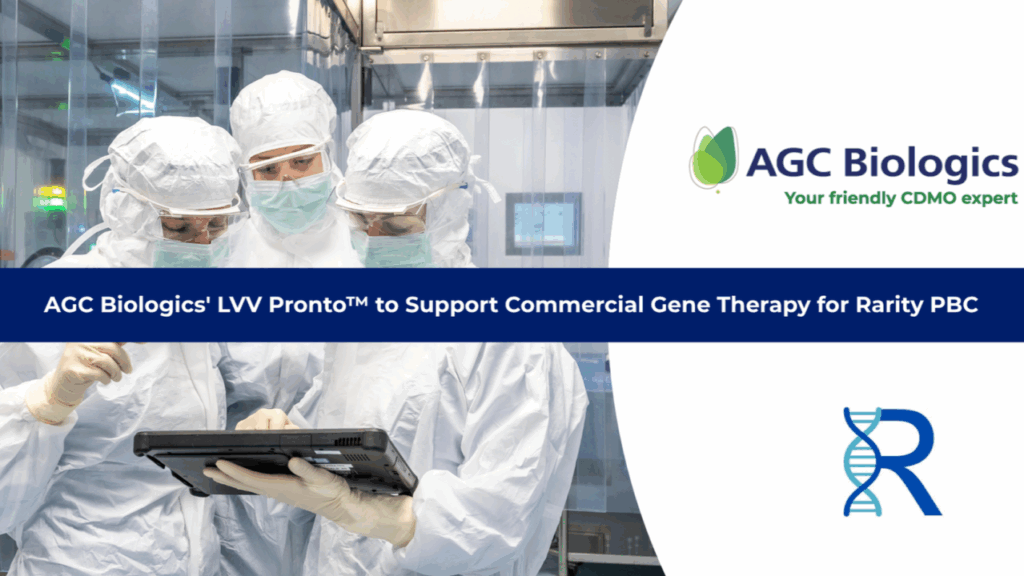
AGC Biologics, a global CDMO specialising in cell and gene therapies, has entered into an agreement with Rarity PBC to deliver end-to-end development and GMP manufacturing for Rarity’s RDP-101 therapy, designed for Adenosine Deaminase Severe Combined Immunodeficiency (ADA-SCID). The gene therapy modifies patients’ own hematopoietic stem cells ex vivo to restore immune function.
ADA-SCID is a rare, life-threatening condition affecting approximately 1–5 infants per million births worldwide. Without treatment, the disorder is fatal and accounts for roughly 15% of SCID cases. Clinical trials for RDP-101 have successfully treated 48 of 50 children, demonstrating its potential therapeutic impact.
Under the agreement, AGC Biologics will manage process development, GMP manufacturing, and process validation for RDP-101, which includes the EFS-ADA Lentiviral Vector (LVV) and autologous CD34+ stem cells. The LVV production will leverage AGC Biologics’ proprietary ProntoLVV™ adherent platform, a technology already supporting multiple commercial therapies.
“Partnering with AGC Biologics is a critical step in our mission to advance our ADA-SCID gene therapy patients in need. Their proven commercial manufacturing expertise and collaborative spirit are exactly what we need to navigate the final stages of regulatory approval.”
Dr. Paul Ayoub, CEO of Rarity PBC
“Our team is leveraging the proven ProntoLVV™ platform and our extensive commercial manufacturing experience to help make this therapy accessible to every child who needs it. As a friendly CDMO expert, we see this as more than a project; it’s a commitment to saving lives.”
Luca Alberici, Executive Vice President of AGC Biologics’ Global Cell & Gene Technologies Division
Funding for the program has been partially provided by the California Institute for Regenerative Medicine (CIRM).