Most pharma companies have climate commitments. Far fewer have woven those standards into how they select, onboard, and work with suppliers.
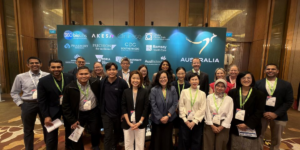
At the PSCI Decarbonization Summit 2025, Koen Postuma, Director of Procurement at Merck, Vincent Barbotin, Scope 3 Active Ingredient Decarbonization Lead at Sanofi, and Nicole Anderson Brodin, Sustainable Procurement Manager at Essity, presented practical solutions for embedding climate standards across the entire supplier lifecycle. Their session focused on turning policy into practice through end-to-end processes spanning supplier selection to relationship management.
From Policy to Procurement
Having a Net Zero target is one thing. Integrating climate criteria into procurement decisions, supplier scorecards, and relationship management is another.
Vincent emphasized that climate standards cannot exist as separate ESG functions. They need to become part of core procurement processes, from initial supplier selection through contract negotiations to ongoing performance reviews.
Nicole stressed the importance of meeting suppliers where they are. Not every partner starts with the same level of climate maturity. The key is creating frameworks that support capability-building while maintaining clear expectations.
Implementation Across the Supplier Lifecycle
The panel outlined specific approaches for embedding climate standards at each stage:
Supplier selection. Climate criteria should be included in RFP requirements and initial assessments. This means asking specific questions about emissions reporting, decarbonization plans, and willingness to collaborate on Scope 3 reductions.
Contract management. Koen discussed how embedding climate standards directly into supplier agreements creates accountability and signals that these expectations are mandatory, not optional.
Performance monitoring. Regular reporting, shared dashboards, and structured dialogue help maintain momentum. These mechanisms create visibility that drives continuous improvement.
Relationship management. The panel discussed balancing collaboration with clear expectations. Capability-building matters, but so does being transparent about consequences when suppliers are not progressing.
Cross-Functional Alignment
The speakers stressed that success requires coordination across functions. Procurement, quality, sustainability, and supplier relationship managers all need shared language and goals around climate standards.
Nicole shared that effective implementation often requires changing internal incentives. When procurement teams are measured partly on supplier climate progress, behavior changes.
Vincent noted that sustainability teams may have expertise, but if procurement does not see climate performance as part of their core responsibilities, progress will be limited.
Implications for Pharmaceutical Suppliers
The speakers outlined key steps for pharma manufacturers, CDMOs, and suppliers:
- Establish accurate emissions reporting. If you cannot measure your carbon footprint accurately, you cannot demonstrate progress.
- Develop a credible decarbonization roadmap. Even early in the journey, having a clear plan matters to customers evaluating suppliers.
- Engage proactively with customers. Do not wait for requirements to be imposed. Ask how you can collaborate on Scope 3 reductions.
- Build internal capabilities. Climate performance is becoming a supplier evaluation criterion alongside cost, quality, and delivery.
The PSCI Decarbonization Summit 2025 brings together more than 2,000 suppliers and PSCI Member companies, representing around 70% of global pharma, biotech, and med-tech revenues, to accelerate supply chain decarbonization across the industry. The summit focuses on practical capability-building and peer-to-peer learning to ensure suppliers at every maturity level can move from commitment to action on the path to 2030.